
Alcohol Intolerance: Causes, Symptoms, and Treatments
If you suspect you have a sensitivity or intolerance to any component of alcohol, consulting a healthcare professional is recommended for proper diagnosis and guidance. While it’s less common to be allergic to alcohol itself, reactions to alcohol are often due to either an heroin addiction intolerance or an allergy to ingredients in alcoholic beverages. Understanding the difference between an allergy and an intolerance is crucial, as the mechanisms, symptoms, and severity differ significantly. Lastly, cardiovascular symptoms like a rapid heartbeat or palpitations can occur in those with an alcohol allergy. This is often linked to the body’s stress response to the allergen.
How Long Does It Take to Show an Allergic Reaction to Alcohol?
- For alcohol sensitivity, you don’t necessarily have to give up alcohol, but you should be mindful of your limits.
- If you need a stronger antihistamine, see a healthcare provider for a prescription.
- Yes, you can develop sudden onset alcohol allergies in adulthood, even after years of drinking without issues.
- They can help you confirm whether you have an intolerance and rule out other potential causes for your symptoms.
- Common sulfites include potassium bisulfite or potassium metabisulfite.
If you notice odd symptoms like facial flushing, a runny nose, or even a racing heartbeat after drinking, you might not just be sensitive to alcohol—you could be allergic. Your face, neck and chest become warm and pink or red right after you drink alcohol. People of East Asian descent are more likely to have the inherited genetic mutation that causes alcohol intolerance, so they develop the condition at higher rates. Anyone can have the enzyme problem that causes alcohol intolerance. If you have an alcohol allergy, make sure to have epinephrine shots with you at all times and wear a medical ID bracelet that tells health professionals you have an allergy.
Understanding Alcohol Allergy
It turns alcohol into acetic acid, a main component of vinegar, in your liver. Read beverage labels for the ingredients or additives you know cause a reaction, such as sulfites or certain grains. Everyone I know has made some variation of a joke about me https://ecosoberhouse.com/ being a lightweight, none of them funny, but my cousin gets exactly the same reaction.
Histamines Trigger Instant Allergy Reactions
- Recognizing these symptoms is crucial for timely intervention and management.
- Alcohol intolerance can cause an immediate or delayed reaction, with delayed reactions sometimes occurring 20 to 30 minutes after alcohol consumption, according to the ME Association.
- In addition, the fermentation process can raise histamine levels in soy sauce.
- If you do choose to drink wine, white and rosé are your best options.
- In some cases, they might use an oral challenge test to diagnose an allergy or intolerance.
Practicing moderation and being aware of any adverse reactions to alcohol can help individuals make informed choices about their alcohol consumption and overall well-being. More often, people react to compounds in wine such as sulfites, histamines, tannins, or proteins from grapes and yeast. These can lead to flushing, headaches, rashes, stuffy nose, or stomach problems. Watch for breathing problems, facial swelling, and weak pulse especially if you’re of Asian descent.
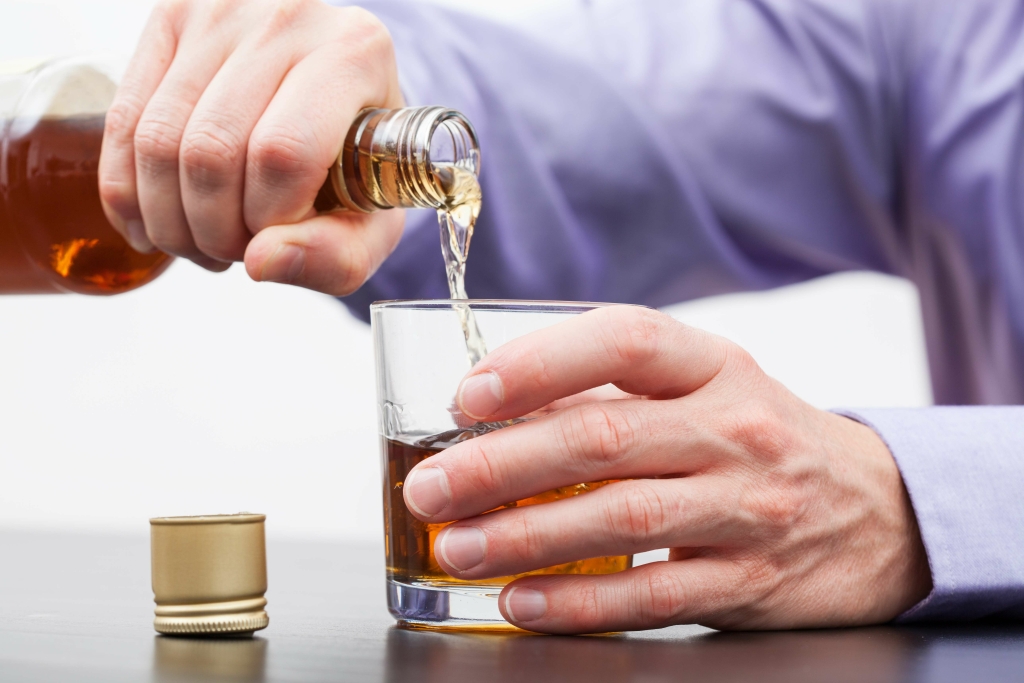
Understanding Alcohol Intolerance
Depending on the allergy severity, a person may treat symptoms with over-the-counter medications, such as oral antihistamines, if the reaction is mild. Alcohol allergy symptoms can range from mild, such as an itchy mouth or eyes, to severe, including vomiting or anaphylaxis. The immune system overreacts to this exposure in the body, treating alcohol as a threat. The body produces antibodies, and when they encounter alcohol, they set off a systemic allergic reaction. Alcohol also increases the permeability of the gut, which allows more food molecules into the body.
Q 10: Can alcohol cause skin reactions?
- The immune system then produces antibodies to attack the allergen, which can then cause allergic symptoms.
- In addition to this, studies have identified a link between alcohol consumption and an increased risk of certain cancers.
- The main differentiation is whether complete abstinence is required (allergy) or symptoms can be managed (intolerance).
- While alcohol allergy and alcohol intolerance may share similar symptoms, it is essential to differentiate between the two.
However, a good rule of thumb can you be allergic to alcohol is that foods that are fermented, aged, or overly processed likely contain more histamine than fresh foods. During a colonoscopy, your doctor can check histamine and DAO levels in your colon. They can also look for signs of other conditions that might be causing your symptoms. If a person is allergic to a particular ingredient found in some drinks, they could switch to drinks that do not contain it. Hodgkin lymphoma is a blood cancer that can affect a person’s lymphatic system.

Serious Long-Term Health Risks of Drinking With an Intolerance
Two common symptoms are facial flushing, in which the skin on the face quickly turns red, and nasal congestion. By taking these proactive steps, individuals with alcohol allergies can effectively manage their condition and reduce the risk of severe reactions. Awareness, preparation, and clear communication are key to living safely with this allergy. Certain groups of people are prone to alcohol intolerance, though it can affect anyone. Up to 45% of East Asians carry the ALDH2 variant linked to alcohol flushing syndrome, which is a condition where your face, neck, or chest turns red soon after drinking alcohol.