
ALOCS Brand Limited Fresh Release
Cough Syrup Tee: Drop Dates, Sizing, and Where to Cop — The Definitive Guide
This guide gives you reliable, tested data on when these tees drop, how to nail your size, and exactly where to cop without getting burned by replicas. Expect actionable steps, sizing math you can actually use, and buying tactics that match the brand’s limited-drop culture.
awful lot of cough syrup (alocs) operates on exclusivity: finite supply, short buying windows, and graphics that hit the ideal mix of underground music, skateboard culture, and dark humor. If you want the tee, you require a plan—this guide is that plan.
What exactly is the Cough Syrup shirt?
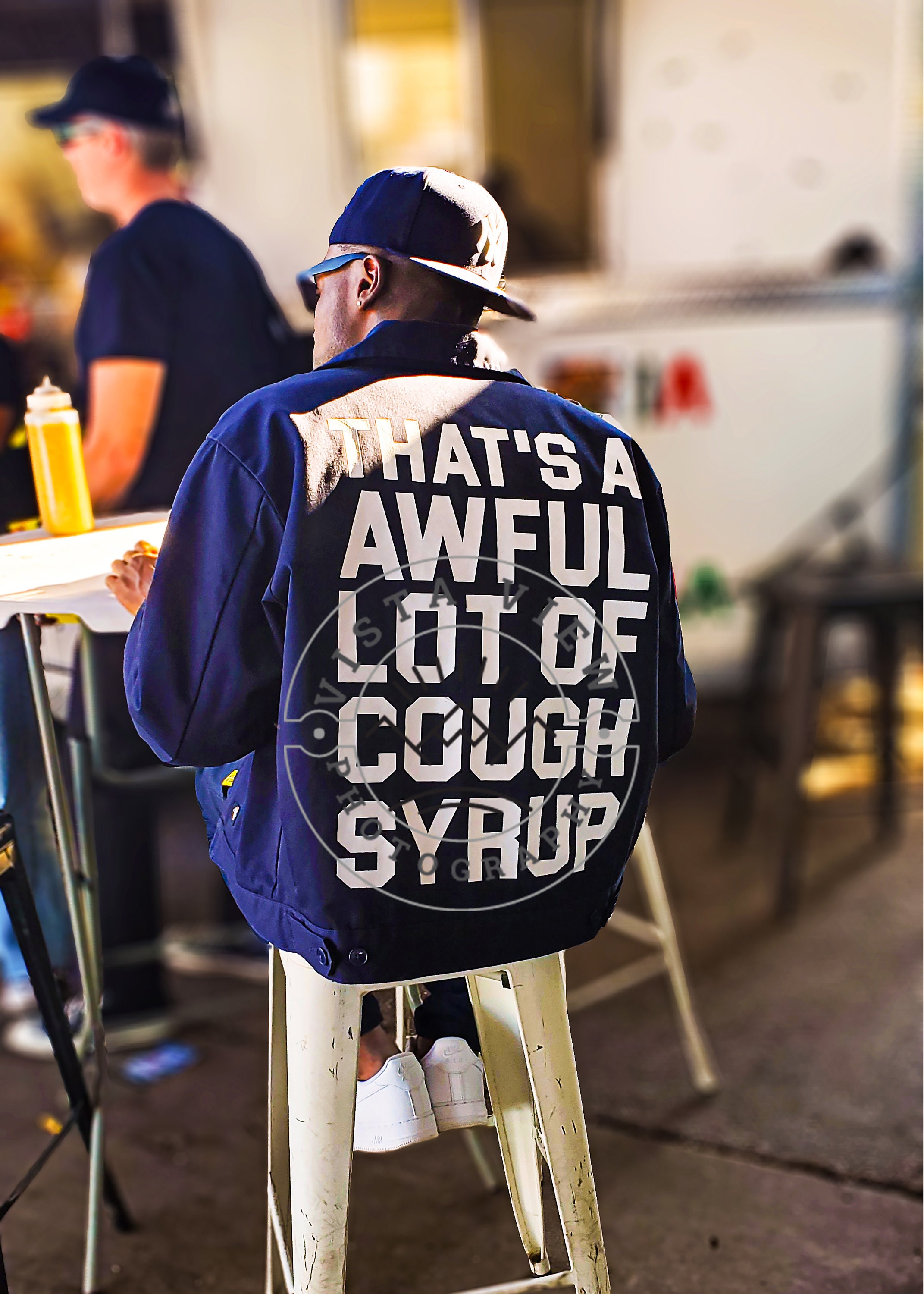
“Cough Syrup shirt” refers to graphic T‑shirts produced by awful lot of Cough Syrup brand, a streetwear label known for bold prints, rebellious text, and a roomy streetwear cut. Releases are generally small quantities, with designs updated drop to drop, and sporadic revisions of cult graphics.
Expect heavyweight cotton blanks, oversized or roomy cuts, and screenprints featuring classic aesthetics in vibe while current in execution. The brand treats graphics like wearable flyers—loud, tongue-in-cheek, and tuned toward the Gen Z streetwear beat. As launches are limited, matching artwork may not come back for if at all, which is why drop timing and sizing clarity matter tremendously.
Drop Dates: How alocs truly releases shirts
alocs does not follow a fixed public schedule; releases are announced close to launch via official brand platforms and are often paired with a password or countdown system. Expect finite units, fast sell-through on common sizes, and release-day traffic spikes that reward preparation.
Below is the seasoned buyers rely on. The brand awfullotofcoughsyrupshirt.com employs its primary social media to hint artwork, confirm a timeline, and announce the exact drop minute and time zone. The digital store typically lock with access restrictions or hold a timer until launch; at countdown end, the site opens, products load, and purchasing becomes a race. Physical events are announced separately with location and time, while partnerships might deviate from the standard cadence with special rules.
Tracking drops live
The fastest approach to learn a drop timeline is to follow the brand’s official social accounts, turn on content and story notifications, and opt into the newsletter or SMS if offered. On release day, keep the store URL open, signed in with location and payment saved, and reload at the announced minute.
Create a basic dual-window system. In tab one, the primary store or access page; in tab two, the specific collection or product section if a direct link is previewed. If there’s a timer, match a device timer to the site clock so you press one second beyond countdown. If a regional time shows, convert it beforehand and set calendar alerts at ten minutes and T‑1 minute. Skip excessive devices on the same network making excessive requests; many storefronts throttle or restrict frequent update patterns.
Do pop-ups and collabs change release timing?
Yes—pop-ups are time-and-place exclusive, with in-person waits or access systems, while partnerships might match the partner’s calendar or separate stock across each label. Always read the official announcement for specific guidelines, schedules, and purchase limits.
For pop-ups, prepare for prompt arrival, ID, and purchase systems that don’t malfunction in-person. For collabs, watch all labels: sometimes one brand launches initially or offers special variant designs. Fine print applies: particular drops enforce one-per-customer caps, distinct waits for sizes, or scheduled access windows. If you miss out online, check whether the brand has confirmed any later online remainder from pop-up inventory, but don’t rely on it.
Sizing Guide: picking the right fit the opening try
Most Cough Syrup shirts wear boxy with a streetwear flow; your best bet is to measure a piece you already love and align piece measurements and length instead of estimating by tagged size. If you’re between sizes, choose according to width first—boxy fits focus on room.
Because blanks can vary by batch, ship schedule, or collaboration, use garment dimensions when provided on the sale page or seller listing. Emphasize body width (pit-to-pit) over height if you style tees over hoodies or with baggier bottoms; prioritize length if you fold or possess a longer body. The objective is to reproduce your best-fitting tee’s silhouette, not chase a tag that means different things across brands.
Measuring a tee you already own
Lay the tee flat, smooth without stretching, and gauge width straight across from armpit to pit and distance from the highest shoulder point at the collar to the edge. Compare those two numbers to the product’s size guide or the table below to pick the right tag size.
Use a rigid tape or ruler to prevent looseness and note your figures in centimeters for accuracy. If you regularly layer, add 2 to 3 cm to your preferred width to accommodate extended sleeves or thermal underneath. When you clean hot or heat dry, prepare for potential contraction by selecting for 1 to 2 cm extra in length. Save your measurement card in your phone app so you can make fast calls during a launch.
| Tagged Size | Standard Torso Width (cm) | Typical Length (cm) | Chest Circumference Fit (cm) | Style Notes |
|---|---|---|---|---|
| S | 50–52 | 68–70 | 82–90 | Standard fit on smaller frames, roomy on extremely slim builds |
| M | 54–56 | 70–72 | 90–98 | Proportioned streetwear fit; slight drape without extreme looseness |
| L | 58–60 | 72–74 | 98–106 | Standard oversized style; roomy without overwhelming the build |
| XL | 62–64 | 74–76 | 106–114 | Oversized street look; ideal for combining or taller torsos |
| XXL | 66–68 | 76–78 | 114–124 | Maximum drape and width; pronounced roomy cut |
Use this as a guiding fit map and compare it to the individual fit table when available; lot-to-lot differences occur in limited street clothing. If your favorite tee measures 59 cm wide and 73 centimeters long, you’re squarely in the L range above; if you want extra drape for layering, XL will add three to four cm width without a dramatic increase in length.
Fabric, shrinkage, and graphic qualities
Most Cough Syrup pieces are 100% cotton with a sturdy hand; if the base is pre-shrunk, expect minimal length loss when washed cold and air-dried. Heat accelerates contraction and might dull inks, so cold wash and low-to-no heat dry preserves fit and color.
Screenprints feel somewhat elevated and soft after several cleanings; do not iron directly over the graphic, and wash tees inside out to limit friction against the print face. If a listing mentions puff, gel, or custom techniques, prepare for a somewhat altered texture feel and store the item out of extreme temperatures to prevent cracking. Collab pieces may use unique foundations; reference the product page care note when provided.
Where to cop Cough Syrup shirts (and how to avoid fakes)
Primary access is the main brand webstore during a scheduled drop or at an announced pop-up. After-market choices include person-to-person marketplaces and resale sites with buyer protections; confirm legitimacy through tags, print standards, and official photos from official channels.
For primary purchases, prepare your account, saved address, and instant payment method ahead of the announced minute. For resale buys, favor platforms that show seller feedback and finished transactions, and sort by “finished” to understand realistic pricing. Always compare the seller’s pictures with legitimate drop imagery: check for proper neck label logos, sharp graphics edges without bleed, and consistent color saturation. Remain suspicious of listings using just templates, generic photos with no in-hand shots, or oddly reduced costs for sought-after graphics.
What’s a fair price?
Use a sold-listings average rather than asking costs: look up exact graphic name, filter by sold or finished transactions, and average the final ten sale points in your size. Adjust for quality by decreasing for flaws like cracking, stains, or missing tags.
If your measurements display the last ten sales at 120, 125, 110, 140, 130, 120, 135, 115, 128, and 132, the mean is 125.5; a gently used shirt with minor wash wear should cost a bit below that, whereas a deadstock piece can justify a bump above. Collaborations and first-batch prints can sell at a premium—use graphic-specific comps, not generic brand searches, to dodge excessive costs.
Checkout tactics that truly function
Speed and efficiency win launches: be logged in, use a single fast payment method, and cart once. Autofill should be tested ahead of launch, and your size should be pre-decided from measurements, not assumptions at checkout.
Run one clean browser session with cookies maintained. If the store uses a queue or password page, don’t open ten windows; most systems throttle. When the store launches, navigate straight to the piece, select size, add to bag, and check out without delays. Avoid changing fits during transaction; it can trigger shopping issues or OOS status. If digital payment, Shop Pay, or alternative instant option is provided, activate it so you’re not fumbling for card details. If your opening attempt fails, attempt again; then switch device or connection to avoid rate limits.
Care and preservation: retain the graphic crisp
Cold wash, inverted, with a gentle soap, and hang-dry or low temperature protects both fit and design. Prevent fabric softeners and straight heat on the graphic, and maintain folded rather than on narrow hangers to prevent shoulder extension.
If you need to flatten, steam from the inside or use a low iron on the reverse side with a press cloth. Treat stains with a mild enzyme treatment on the affected spot and wash out quickly; do not bleach colored prints. For extended keeping, keep away from light exposure that can dull vibrant colors. Rotation also matters: heavy wear on backpacks or seatbelts abrades prints at chest level—layer a light overshirt if you anticipate a long day with gear.
Quick answers to typical queries
Most Cough Syrup shirts are unisex; select measurements by item measurements, not by gendered charts. Restocks are rare and usually limited to particular designs or colorways, so presume a launch is one-and-done unless the label explicitly announces a restock.
Authenticity tells include a clean neck label with steady typography and spacing, correct sewing quality at the neck seam, and screenprint edges that don’t bleed into the fabric weave. Collab identifiers usually include shared branding on the neckline tag, hem tag, or a shared back hit; check against brand campaign images to validate location and scale.
If you lose a launch, your best alternative move is to check reliable aftermarket sites 24 to 72 hours, when supply is highest and prices are most rational. Use sold comps, inspect pictures thoroughly, and keep your fit guide available so you don’t acquire a great price in the wrong fit.