
Eye Health Diet: Nourishing Your Vision
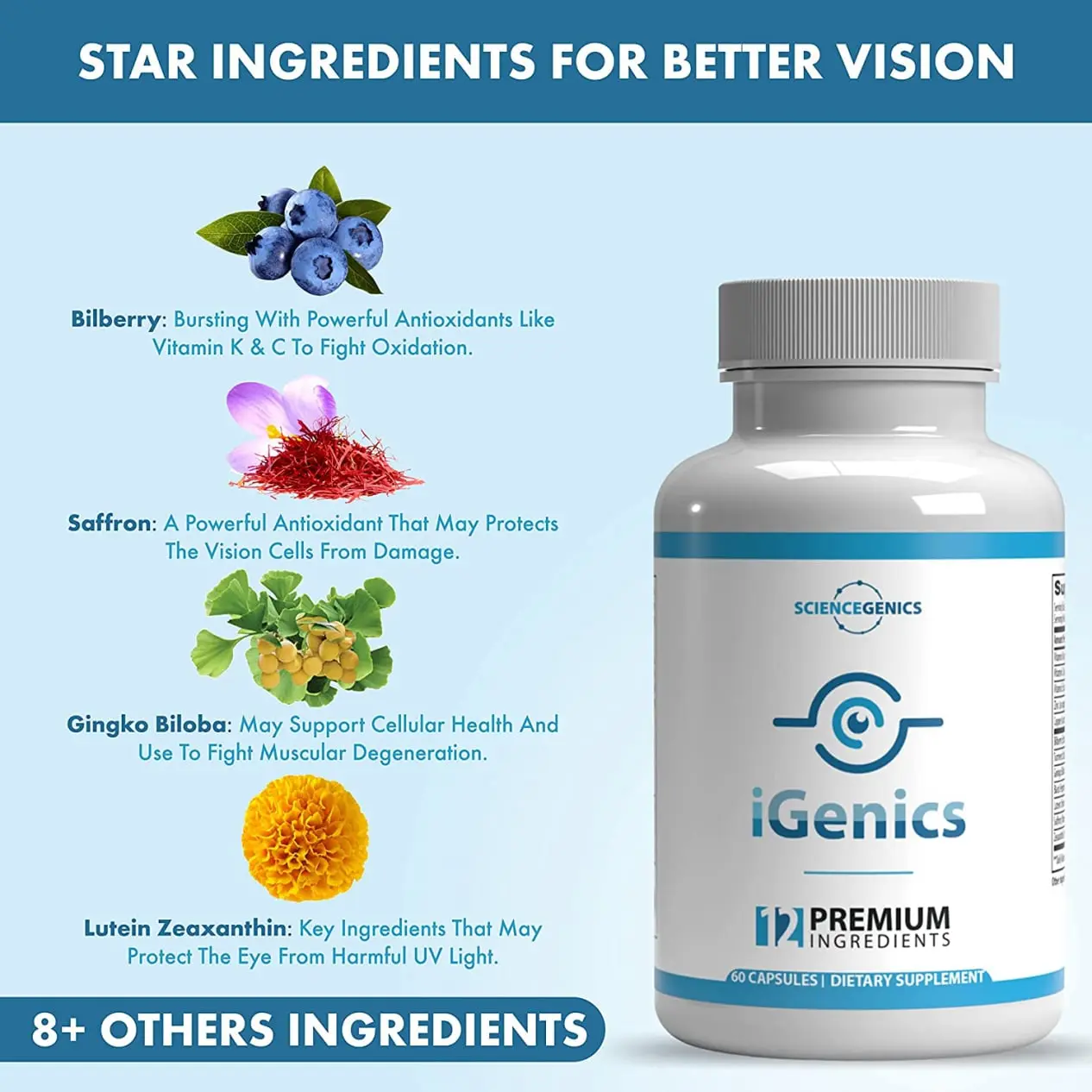
Maintaining optimal eye health is crucial for preserving vision igenics reviews and complaints preventing eye-related diseases. A balanced diet rich in specific nutrients can significantly contribute to eye health. This report highlights essential dietary components that support vision and overall eye function.
One of the most important nutrients for eye health is Vitamin A, which is vital for maintaining good vision, particularly in low-light conditions. It helps produce a pigment called rhodopsin, found in the retina, which is essential for night vision. Foods rich in Vitamin A include carrots, sweet potatoes, spinach, and kale. Incorporating these foods into your diet can help ensure adequate Vitamin A intake.
Omega-3 fatty acids are another critical component for eye health. These healthy fats play a significant role in preventing dry eyes and may reduce the risk of age-related macular degeneration (AMD) and retinal degeneration. Fatty fish such as salmon, mackerel, and sardines are excellent sources of Omega-3s. For those who prefer plant-based options, flaxseeds, chia seeds, and walnuts are also rich in Omega-3 fatty acids.
Antioxidants are essential for combating oxidative stress, which can damage eye cells and contribute to various eye diseases. Vitamins C and E are powerful antioxidants that can help protect the eyes from free radical damage. Citrus fruits, berries, nuts, and seeds are rich in Vitamin C, while nuts, seeds, and green leafy vegetables provide ample Vitamin E. Including a variety of these foods in your diet can enhance your eye health.
Lutein and zeaxanthin are carotenoids found in high concentrations in the retina. They help filter harmful blue light and protect the eyes from damage. Foods high in lutein and zeaxanthin include green leafy vegetables like kale, spinach, and broccoli, as well as eggs. Regular consumption of these foods can help reduce the risk of cataracts and AMD.
Zinc is another crucial mineral for eye health, playing a vital role in transporting Vitamin A from the liver to the retina. It is also essential for the function of enzymes that protect the eyes from oxidative damage. Foods rich in zinc include oysters, beef, pumpkin seeds, and lentils. Ensuring adequate zinc intake can help maintain healthy vision and reduce the risk of eye diseases.
Hydration is often overlooked but is equally important for eye health. Drinking enough water helps maintain moisture in the eyes, reducing the risk of dry eye syndrome. Aim to drink at least eight glasses of water a day, and consider incorporating hydrating foods such as cucumbers, oranges, and watermelon into your diet.
In conclusion, a well-rounded diet that includes a variety of vitamins, minerals, and antioxidants is essential for maintaining eye health. Incorporating foods rich in Vitamin A, Omega-3 fatty acids, antioxidants, lutein, zeaxanthin, and zinc can significantly contribute to preserving vision and preventing eye diseases. Additionally, staying hydrated is crucial for overall eye well-being. By making conscious dietary choices, individuals can promote better eye health and enjoy clearer vision as they age.